Unveiling the Earthy Secrets of Your Favorite Wine
What Does ‘Earthy’ Really Mean?
When wine enthusiasts wax poetic about an “earthy” flavor, it might sound like there’s a scoop of soil hiding in the bottle, but fear not! There’s no literal ‘earth’ in your wine. Instead, the term refers to flavor sensations reminiscent of soil, undergrowth, clay, or compost. So while your glass may evoke visions of a forest floor, there’s no need to worry about dirt in your drink!
The Role of Grapes in Earthy Flavors
Curiously, these earthy notes can be attributed to specific grape varieties. Take Mourvèdre and Carignan, for example; these grapes are renowned for their “earthy” characteristics. It’s not that they grew in a more earthy vineyard. These flavors emerge thanks to the unique composition of the grapes themselves. It’s nature’s way of adding intrigue to your sips and swirls!
How Oak Aging Influences Wine
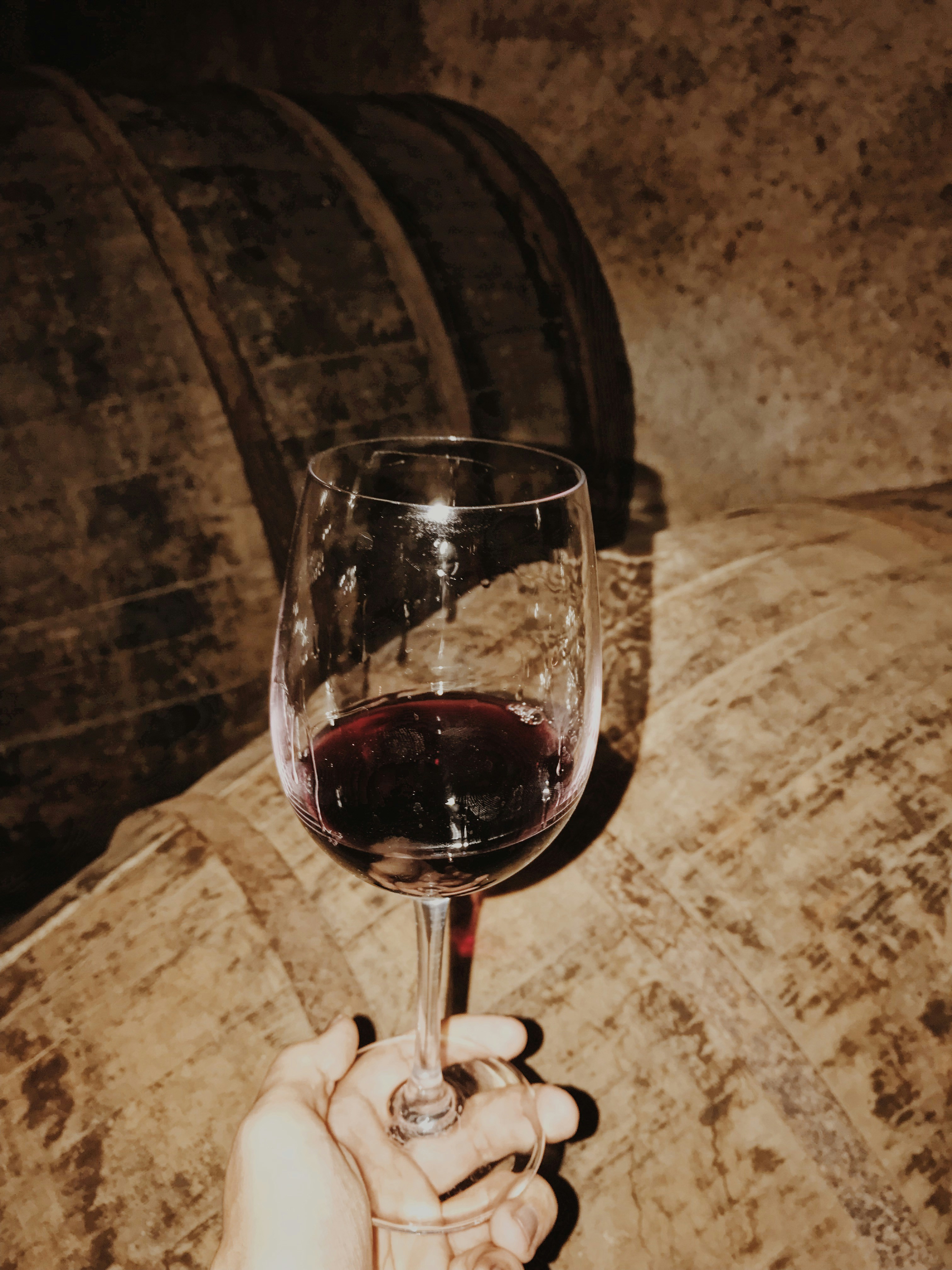
Don’t forget the role of oak aging! Wines that have spent time in oak barrels can develop those coveted, “dried earth” characteristics. This aging process also allows for the emergence of flavors akin to dried leaves or a delightful hint of the forest floor. Both of these terms hint at the broad spectrum of qualities referred to as earthiness. So next time you enjoy a glass, remember, it’s not just about the grapes or soil, but the entire winemaking journey!